

Cricket bowling biomechanics involves the study of the motion and forces involved in a bowler’s action. It is important to understand how the body moves to optimize the delivery of the ball and to prevent injuries.
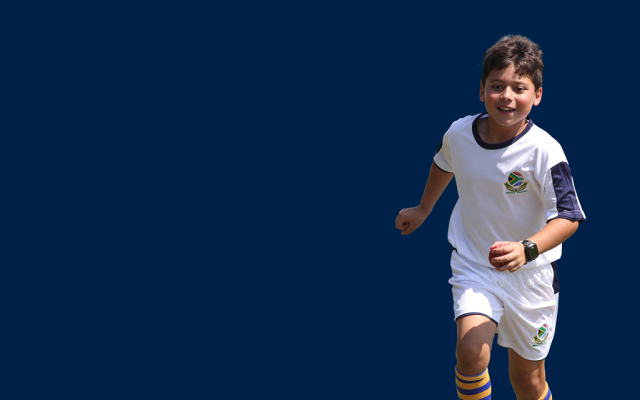
The primary muscles used in bowling are the rotator cuff, the latissimus dorsi, the pectoralis major, the triceps, and the wrist flexors and extensors. These muscles work together to generate force and speed in the arm, which is then transferred to the ball.
A typical bowling action can be broken down into three phases: the run-up, the delivery stride, and the follow-through. During the run-up, the bowler builds momentum, with the aim of reaching maximum speed at the point of delivery.
The delivery stride is the most critical phase, during which the bowler transfers the energy generated in the run-up to the ball. This involves a complex series of movements, including hip rotation, trunk flexion, and shoulder abduction, which create torque in the arm and wrist.
The follow-through is the final phase, during which the bowler completes the delivery and decelerates the arm. This phase is important for preventing injury and maintaining balance and control.
To optimize their bowling biomechanics, bowlers need to focus on their body position, technique, and timing. Proper alignment, a smooth delivery, and a consistent release point can all help to improve accuracy and reduce the risk of injury.
Overall, cricket bowling biomechanics is a complex and dynamic field, with many factors influencing a bowler’s performance. By understanding the science behind the sport, bowlers can develop more effective and efficient techniques, leading to greater success on the field.

